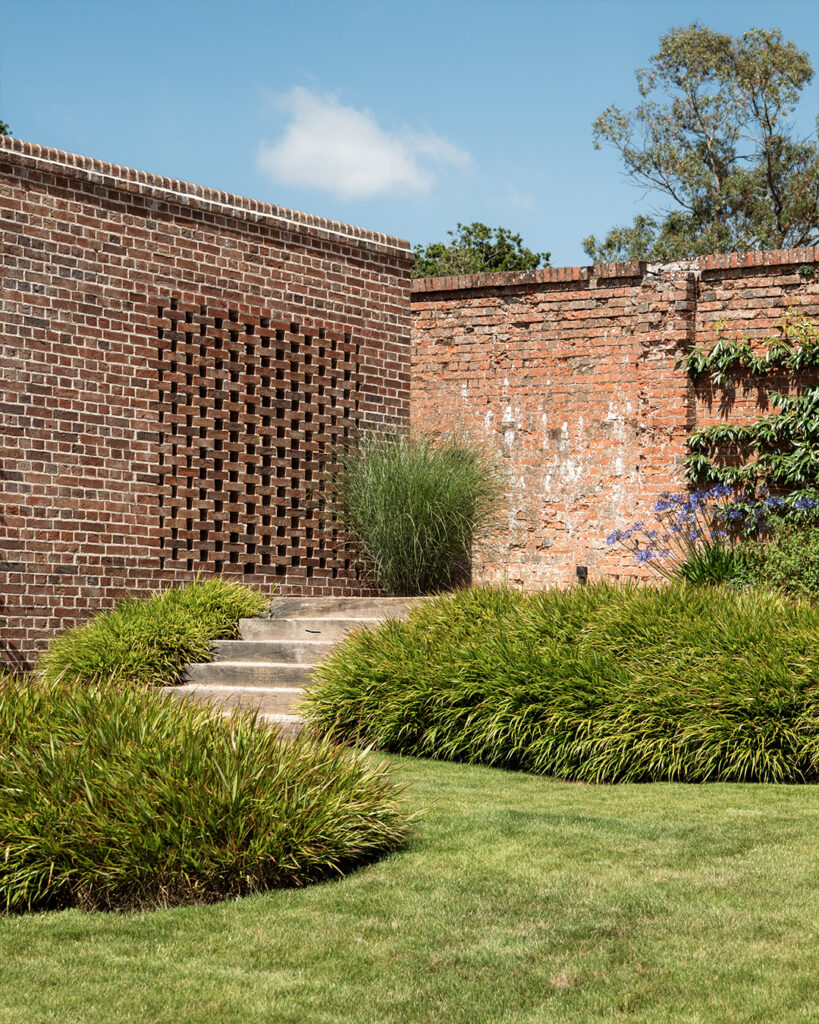
Set within the Devon landscape, this carefully realised Passivhaus is the result of a close collaboration between committed clients, retired software engineers Nigel and Eileen, and architects McLean Quinlan. Guided by a shared ambition for exceptional quality, environmental performance and respect for the site’s history as the former kitchen garden to a grand country house, the highly energy efficient, triple-glazed house sits quietly behind a striking brick wall facade. Its form and materiality draw directly from the old garden wall still standing on the site, anchoring the building firmly in its setting (and occasionally confusing delivery drivers, who wonder where the house is).
The home’s palette is shaped by natural materials – none more central than clay, which appears in various forms throughout. From clay plaster walls and reclaimed terracotta tiles to a kitchen island formed from high-fired clay, the material weaves a continuous thread throughout the house, reflecting a lifelong passion the homeowners jokingly describe as being “potaholics”.
Completed in late 2018, Devon Passivhaus made it onto nine awards shortlists including RIBA House of the Year, the Manser Medal, UK Passivhaus of the Year and International Passivhaus of the year. In this conversation, the homeowners reflect on their journey to Passivhaus certification, their enduring relationship with ceramics, and how living with clay has shaped the atmosphere and experience of their home.
Could you start by telling us about your journey to creating Devon Passivhaus? What were the key ambitions of your brief to McLean Quinlan, and what drew you to the Passivhaus building standard?
‘A short summary of the brief was for a contemporary and beautiful house meeting Paragraph 55 (now 84) aspirations for ‘exceptional quality’ of architecture, enhancing and being sensitive to the landscape, with state-of-the-art eco technology, Passivhaus aspiration, and nothing that is not high quality, beautiful or interesting. The design has to be understated, calm and elegant, using natural materials and finishes where possible.
It was very important for the house to perform to net-zero, and our aspiration was always to go a step further than building to “passivhaus principles”; and achieve official certification, as we felt that this would add more rigour to the process and avoid any risk of corner-cutting. For both the architects and the builders, although they were used to building to Passivhaus principles, achieving Passivhaus certification was a first.’
As collectors of pottery and art, where did that passion begin, and has it evolved over time?
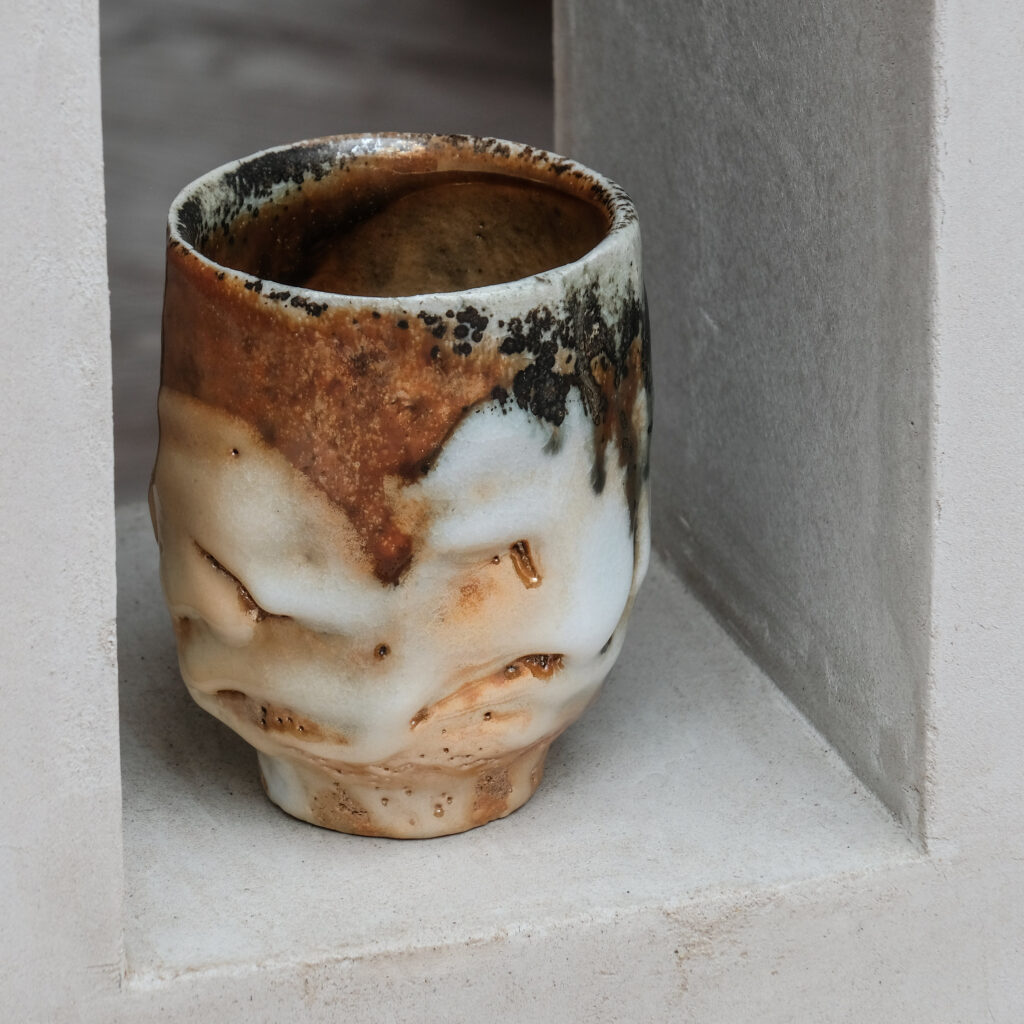
‘We’ve loved and collected contemporary ceramics for a long time and have become friends with many of the potters who we collect. We’re probably going for more contemporary work these days, albeit that we still have and love our Leach and Hamada work.’
Clay appears in many forms throughout the house, from reclaimed brick floor tiles to the kitchen island to Clayworks clay plaster. Was it important to you to incorporate this material into the fabric of your home?
‘Yes. We were very keen to use natural materials within the house as far as possible, and in response, the architects (who did every aspect of design) proposed Clayworks for some of the plaster work, and we discovered Lubelska for the reclaimed floor tiles. We also discovered the porcelain-derived Dekton for all our kitchen surfaces.
Clayworks has mainly been used in the central courtyard room as well as in our main bedroom and bathroom, and we really like its soft and natural texture.’
The internal courtyard feels like the heart of the house, especially as a setting for your pottery collection. What was your vision for this space, and how do you experience it now?
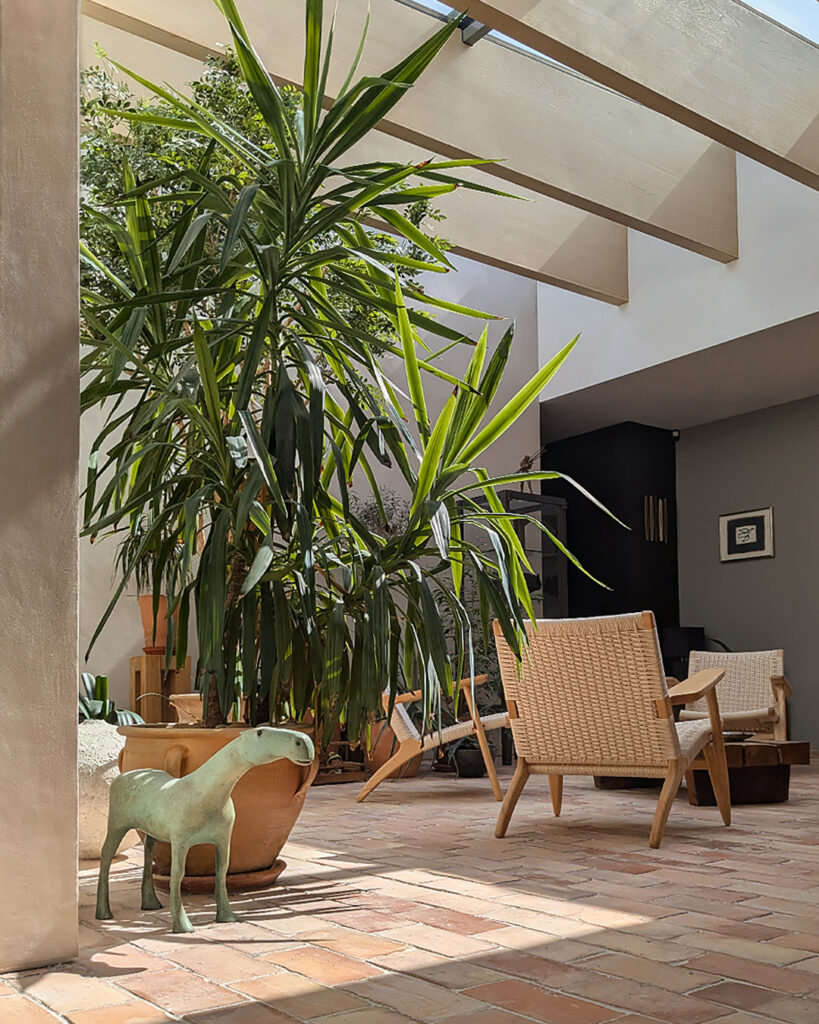
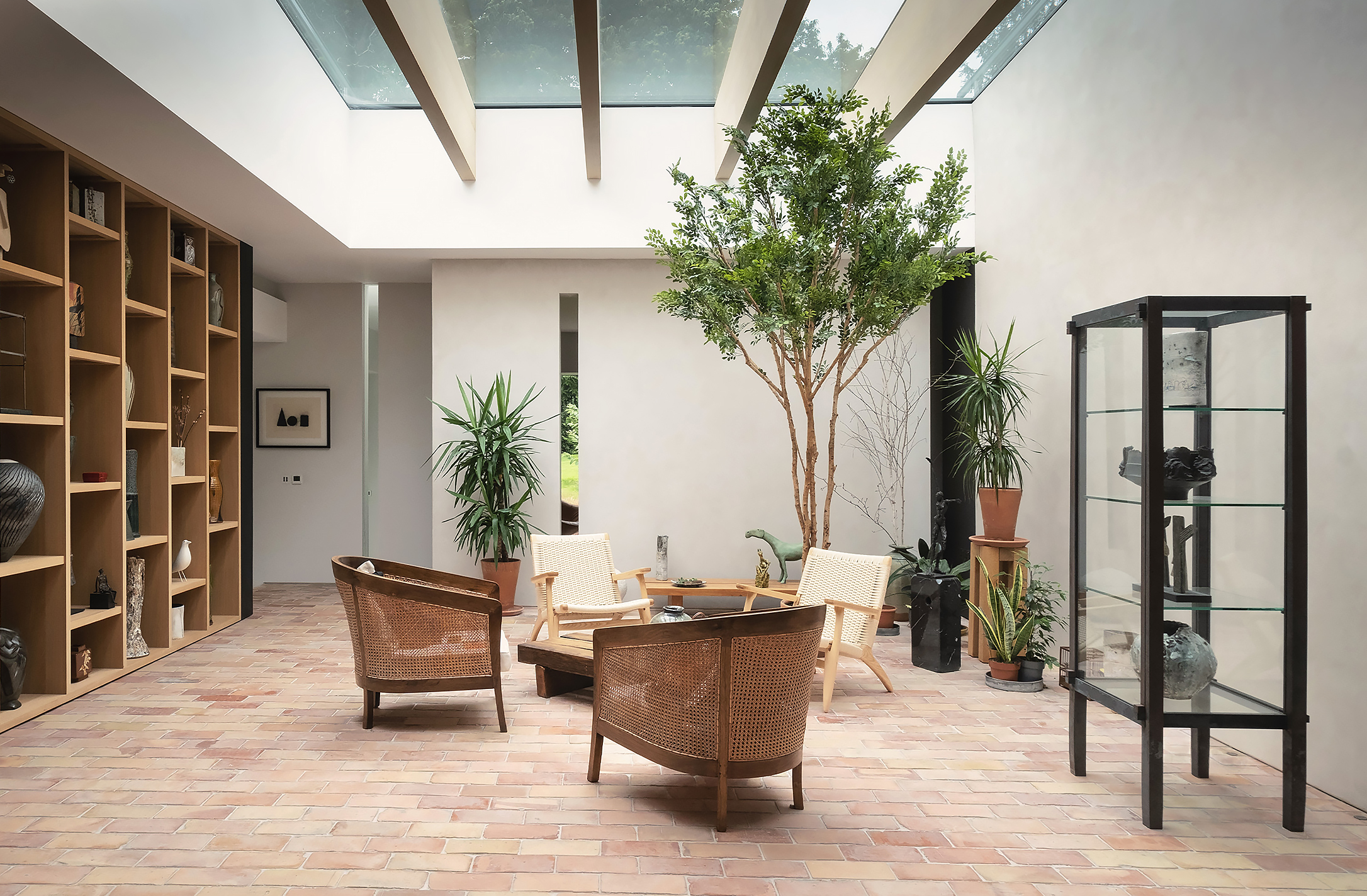
‘It was always intended to be the heart of the house, much like the central courtyard of a Roman Villa (as the article in the RIBA journal described it), with all the main living areas leading off. This is where we have the biggest area of Clayworks walls, opposite a big ceramics display, finished with the Lubelska clay tiled floor and lit by a high glass roof. It makes an excellent informal seating area for us and for visitors.’
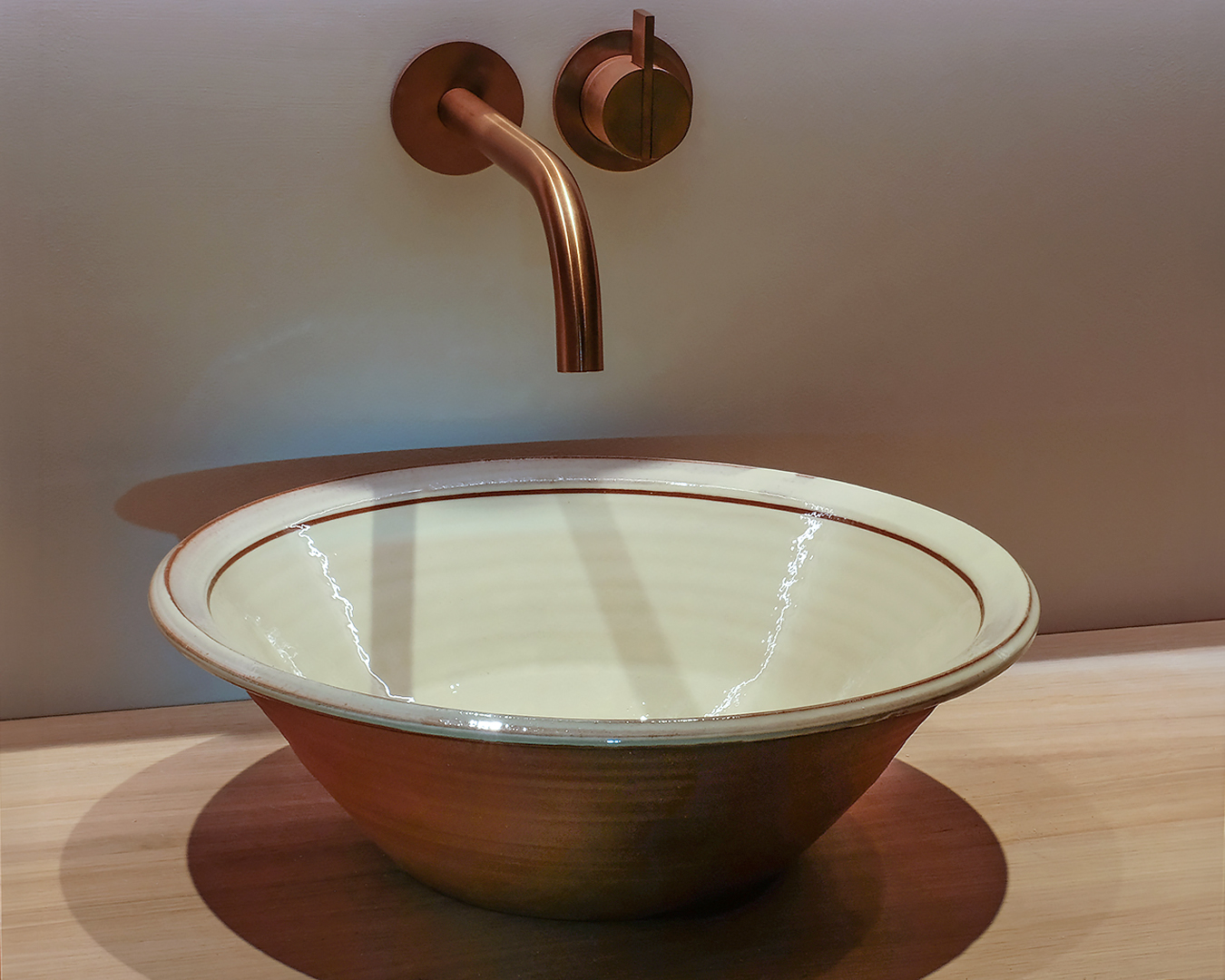
Clay from the site was collected during excavation and transformed into a bathroom sink – can you tell us the story behind that?
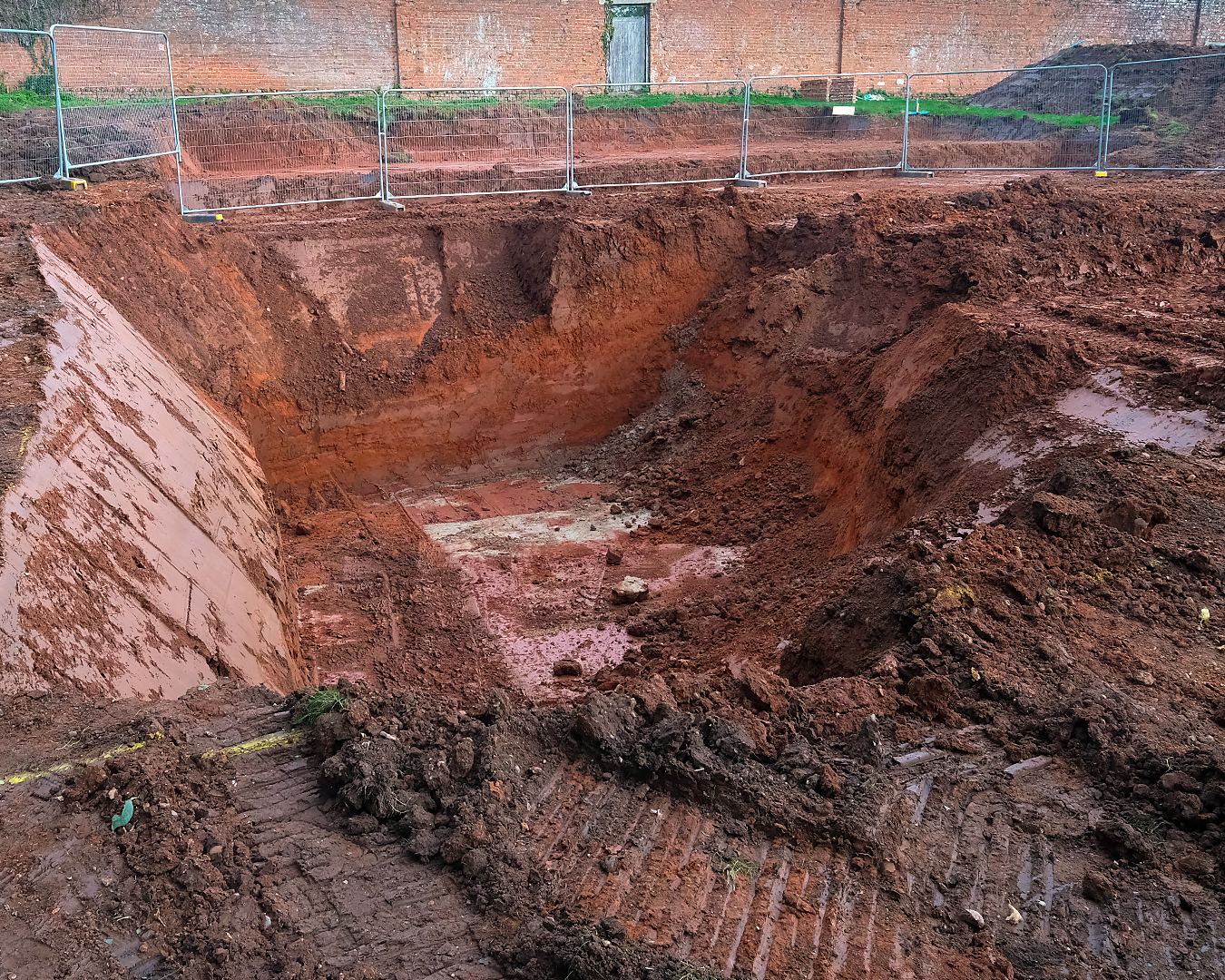
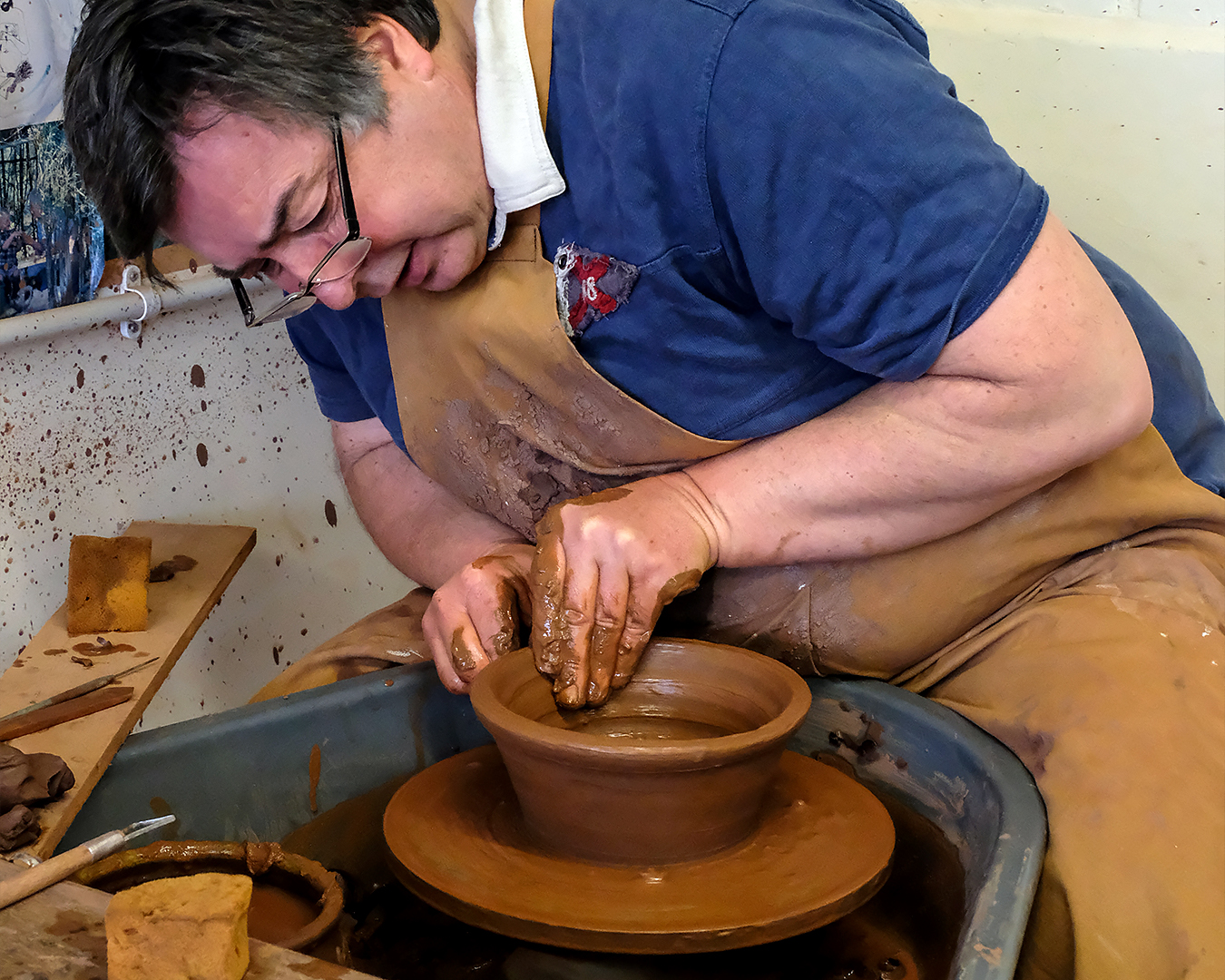
‘We spotted how good the red clay that the area is famous for was when the groundworks were being dug. So Eileen, who had been on some ceramics courses, duly sieved and cleaned some of this clay and we took it to Paul Jessop at Barrington Pottery, and he was able to throw it straight away. We always liked his Devon glazed earthenware pancheons, so we asked him to make one as a basin and also one of his tall jugs and a set of mugs to give to the significant people on the project.’
How would you describe the overall ‘feel’ of your home? What is your experience of living there? What kind of reactions do visitors have when they experience the house for the first time?
‘We enjoy a sense of calm, and that aspect is often the first thing that visitors mention almost as soon as they enter. It definitely meets the key Passivhaus goal of comfort for the inhabitants. As we have our own borehole and sewage system, our only bill is for electricity and overall, taking into account the feed-in from our solar system, that bill is negative over the year.’
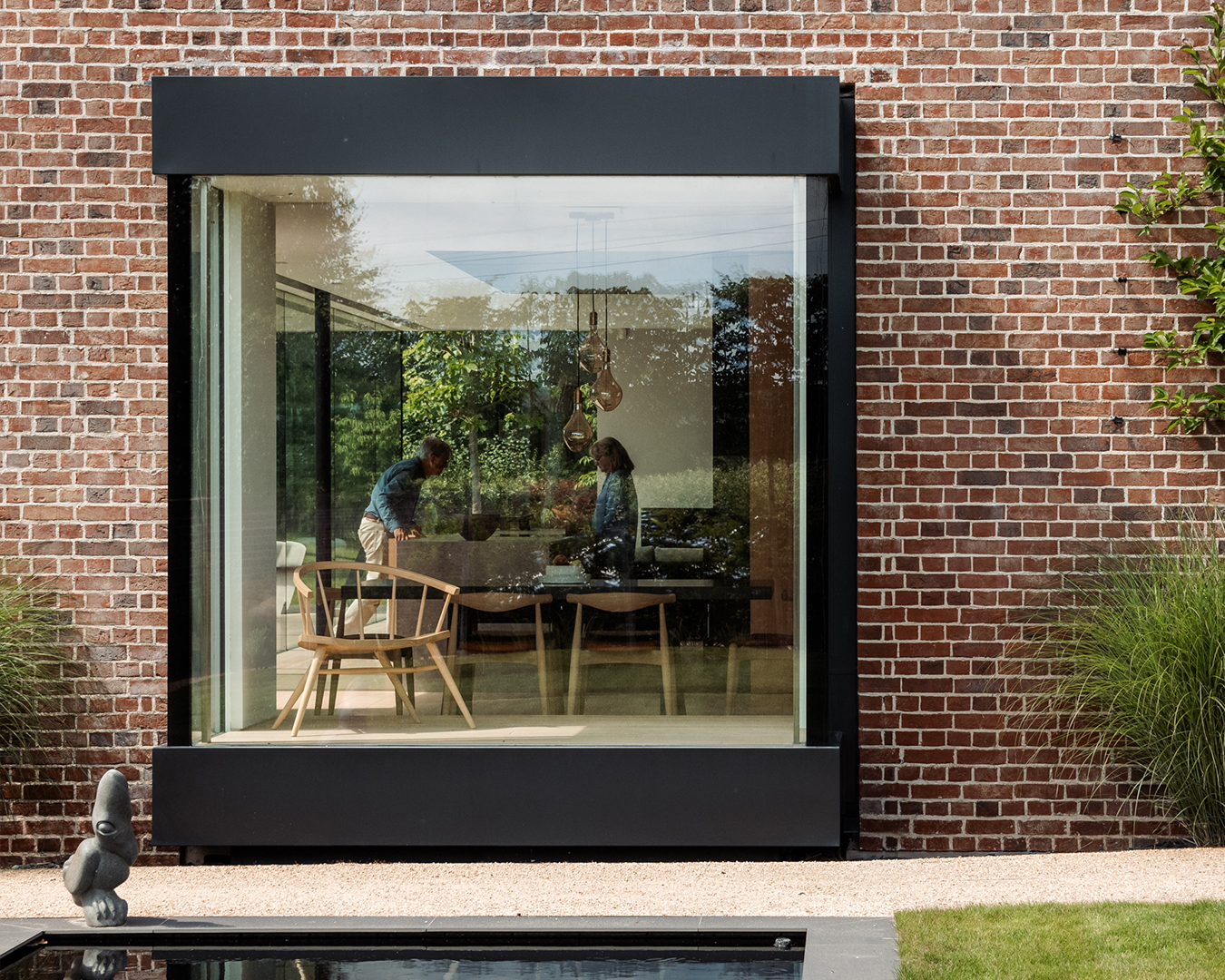
In Devon Passivhaus, McLean Quinlan have created a deeply personal, earthy yet elevated home that feels honest and calming. As Eileen reflects, “it’s all very organic and all different variations of clay. I think it just makes you feel good, I don’t know why but it just does.”
Photography by Nigel Dutt, The Modern House and Julia Cooper.
View the Clayworks case study on Devon Passivhaus here.