A Return to Timeless, Healthy Materials
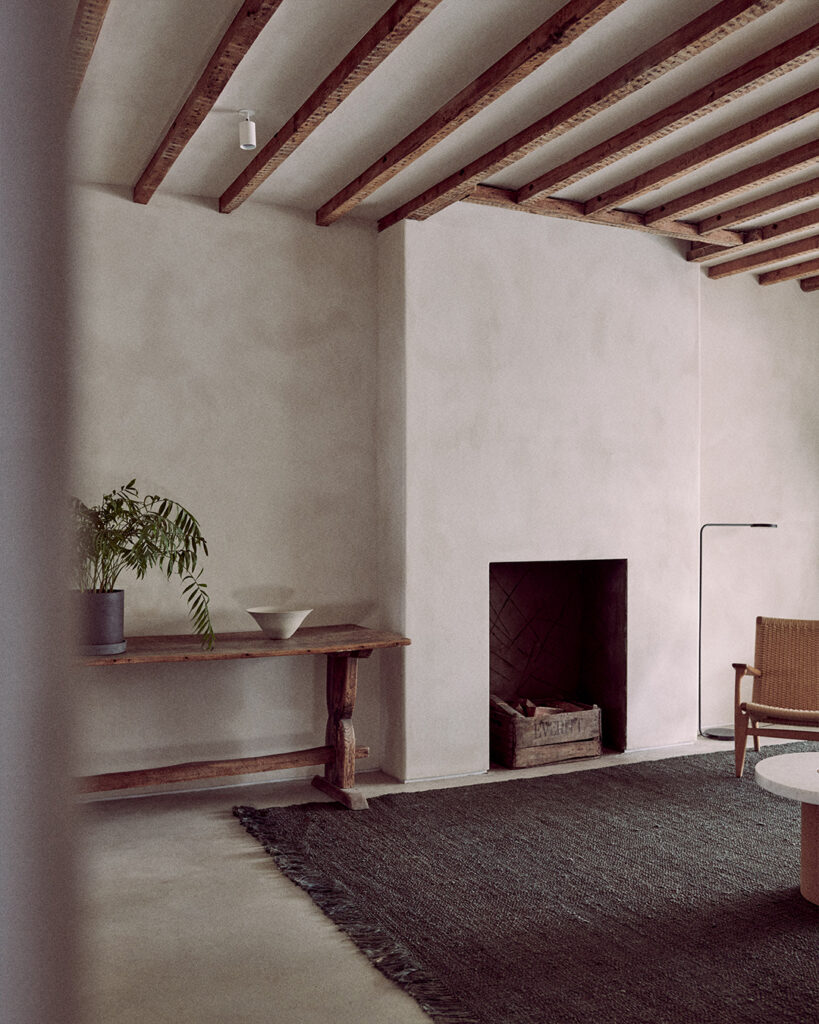
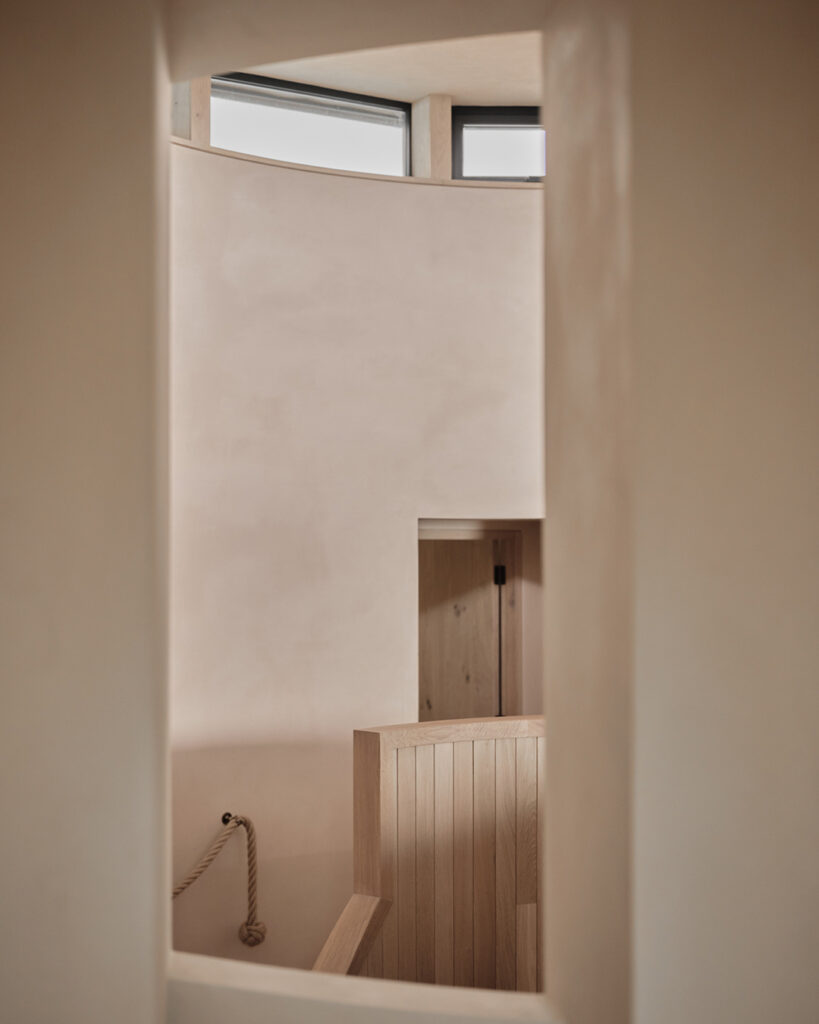
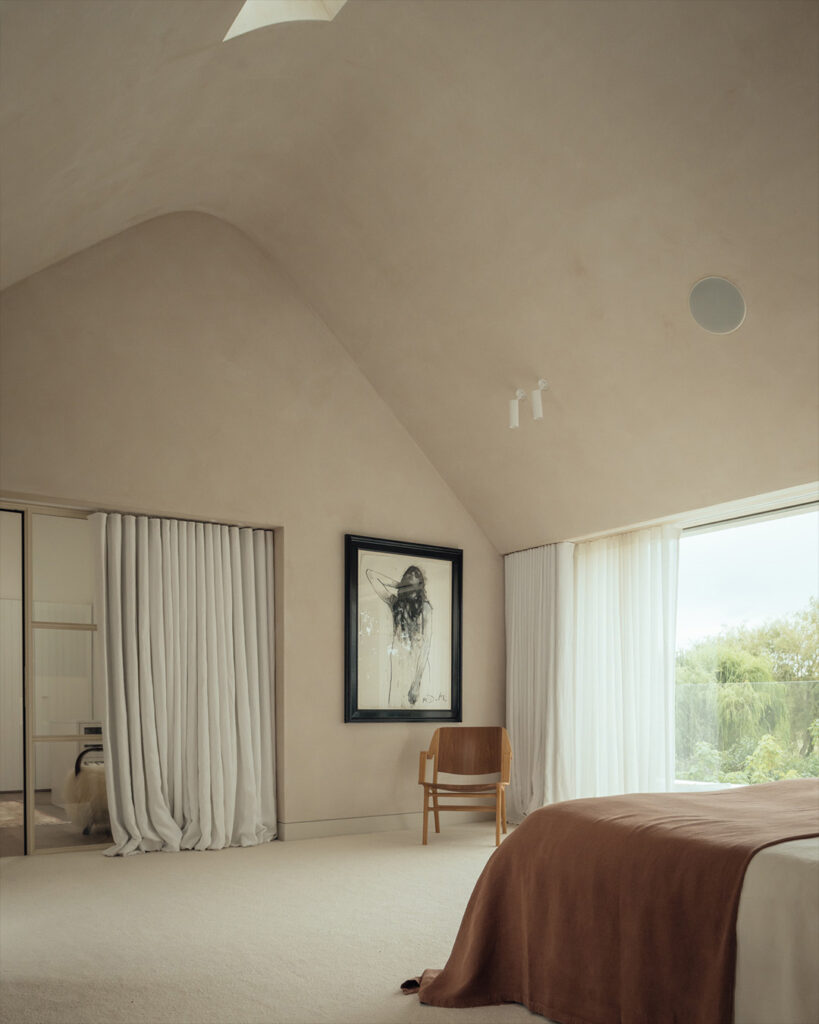
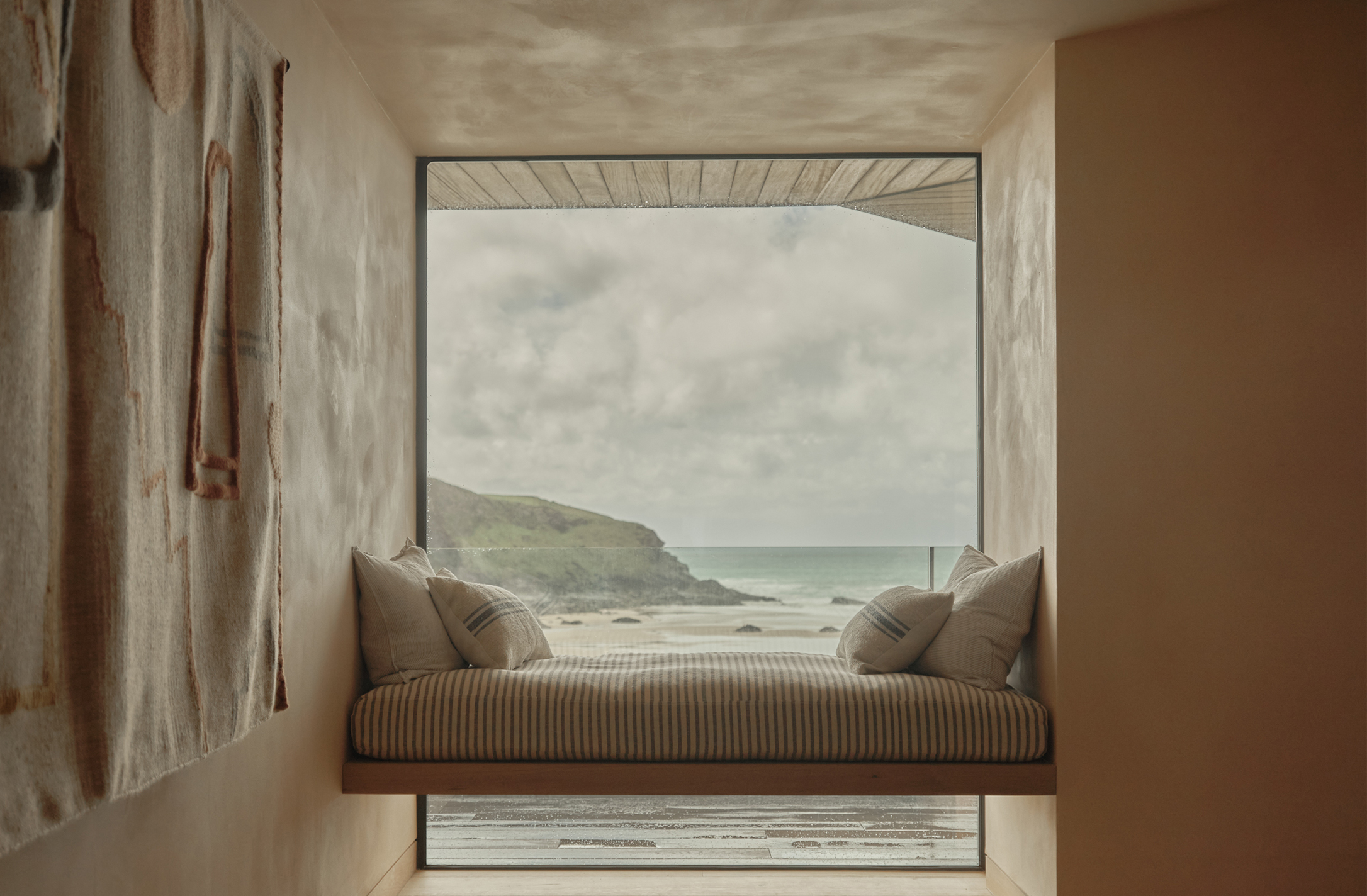
The raw materials of lime and earth have been used in finishing buildings for thousands of years, throughout the world. They have always been used simultaneously for the buildings of the wealthy and the buildings of ordinary folk. Today, these traditional materials are being reconsidered through a contemporary lens as architects and designers respond to mounting concerns around indoor air quality, sustainability and occupant wellbeing.
Four significant changes have taken place since the end of WWII (1945), in the way we live, how we construct our buildings and the materials these buildings are made out of:
1. People now spend more time indoors than at any other time in history;
2. Building materials have become increasingly adulterated, with the use of chemical additives and synthetic products now present in the vast majority of modern buildings;
3. Buildings have become increasingly airtight in pursuit of energy efficiency;
4. Most modern buildings are made out of predominantly impervious materials such as concrete, synthetic paints and varnishes, that are not 'breathable'.
Together, these changes have had significant implications for both occupant health and building performance. Impermeable materials can trap moisture within wall build-ups, creating conditions for condensation, mould and long-term degradation.
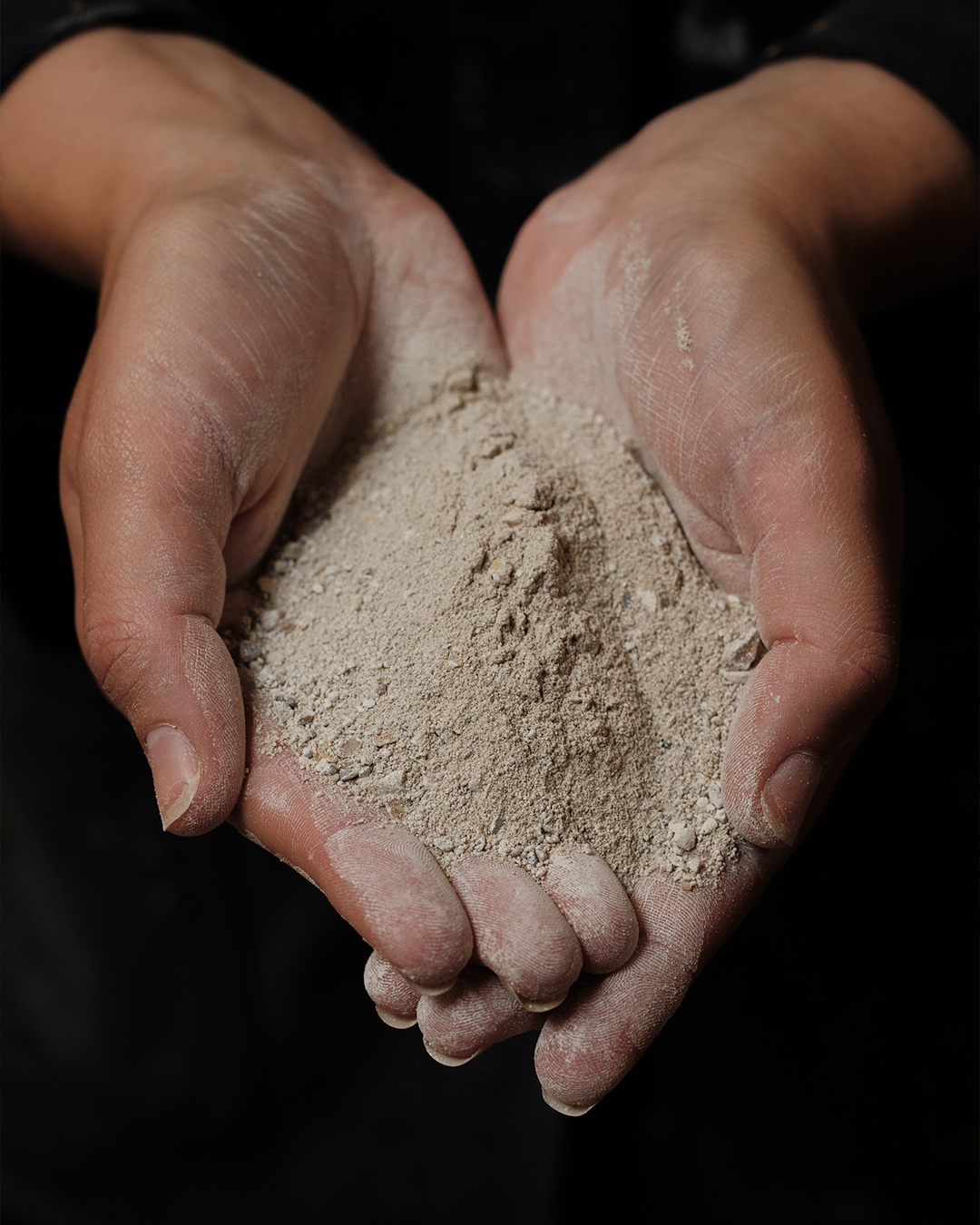
Clay plaster offers a fundamentally different approach to interior finishing because it actively contributes to healthier indoor air quality and breathable construction.
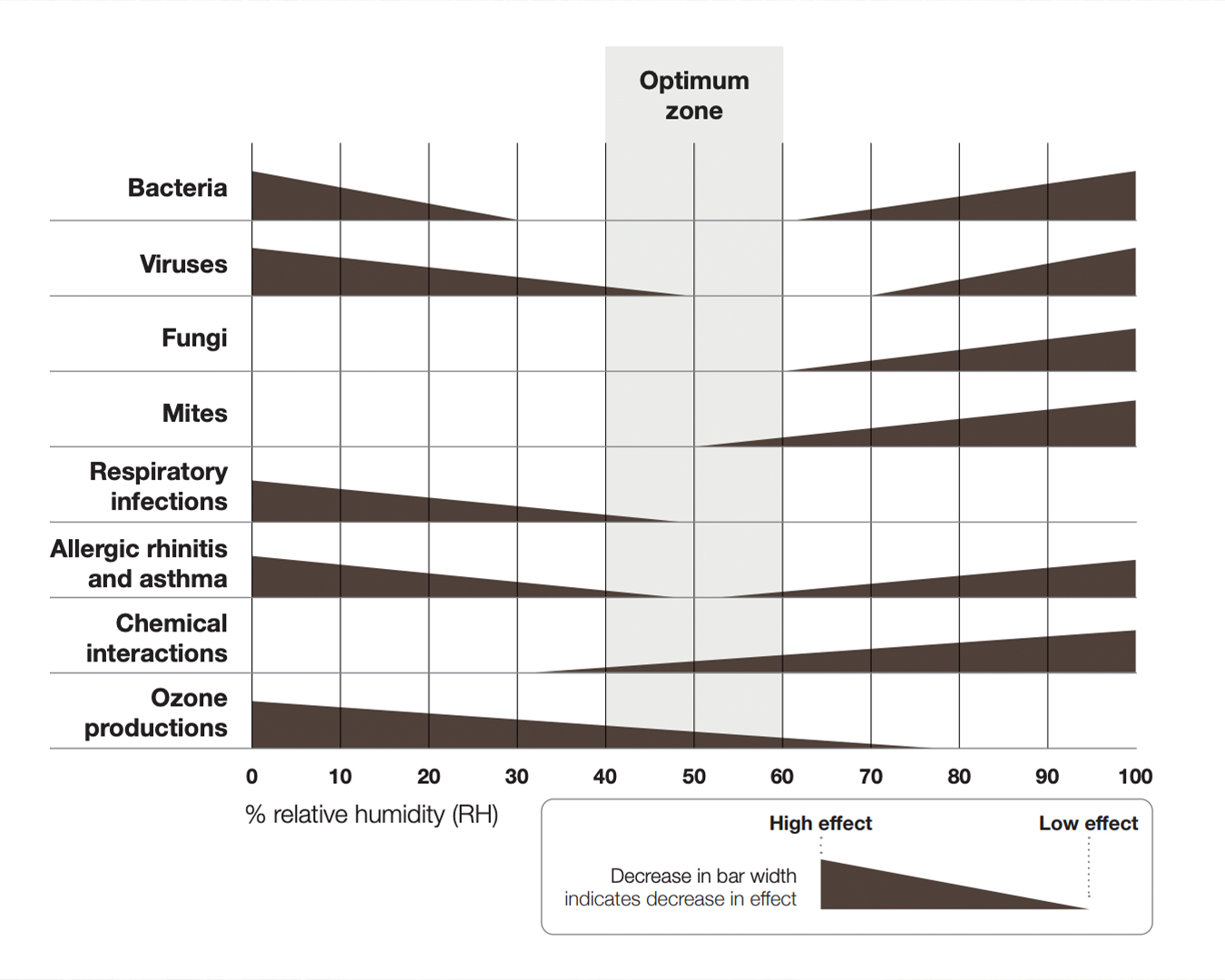
Research into clay plaster and indoor air quality has demonstrated that unfired clay surfaces can help reduce airborne pollutants, including ozone and certain VOCs. Studies also show that humidity regulation plays a significant role in reducing VOC emissions from other materials within a building. Higher relative humidity levels can increase emissions of chemicals such as formaldehyde from furnishings and composite materials. By moderating humidity fluctuations, clay plaster can help reduce these secondary emissions.
Independent testing of Clayworks clay plasters confirms ultra-low VOC emissions, with no detectable health-relevant VOCs or carcinogens, alongside the highest European indoor air quality certifications, including Indoor Air Comfort Gold (Eurofins).
There is also a growing cultural and architectural interest in building with earth. Projects such as the acclaimed Rammed Earth House by Tuckey Design, for which Clayworks was honoured to provide the internal clay plaster finishes, demonstrate the renewed relevance of earth-based materials within contemporary architecture.
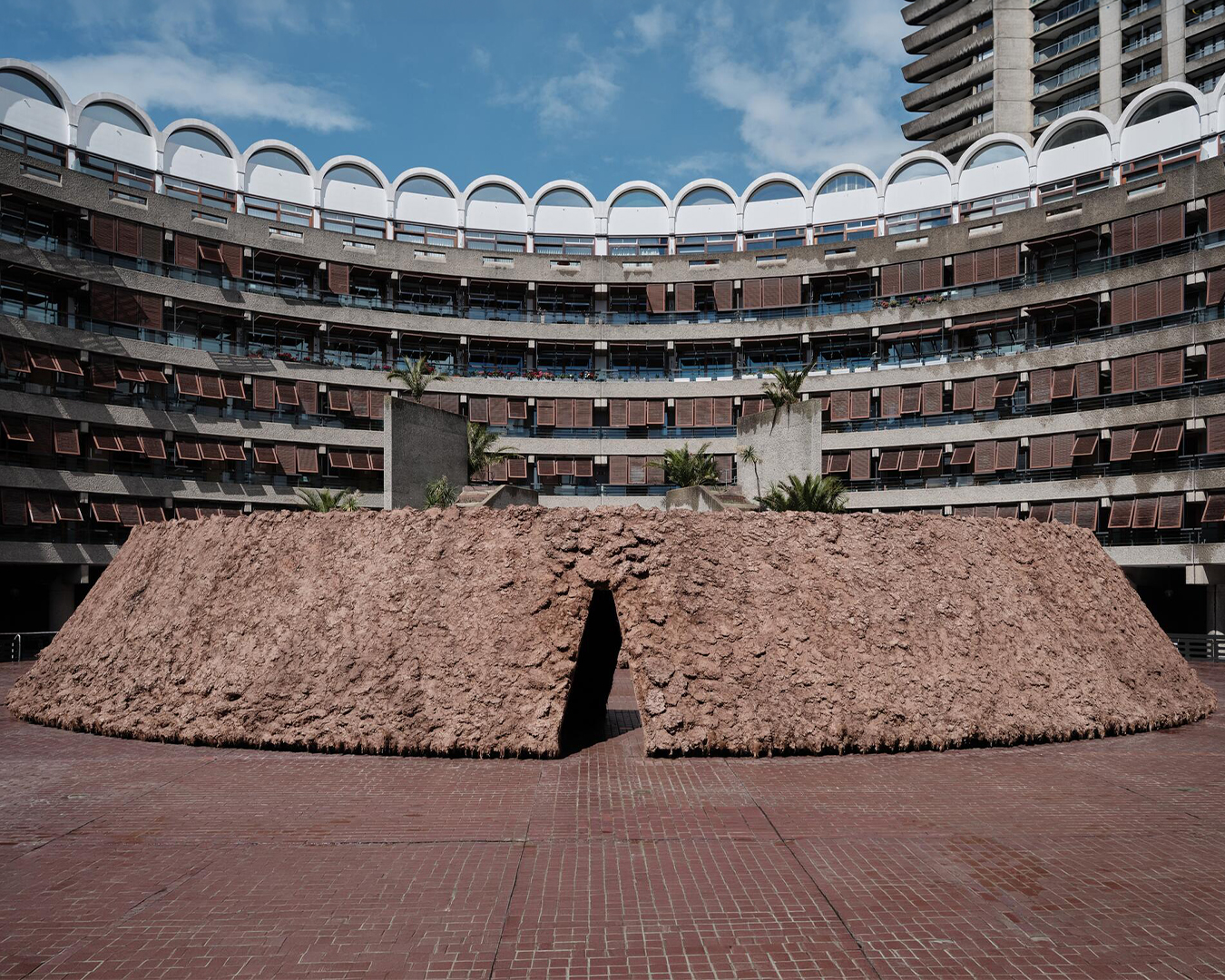
Beyond architecture, earthen materials are also gaining wider cultural visibility. Colombian artist Delcy Morelos’ newly opened installation origo at the Barbican in London is a site-specific work made from soil, clay and fragrant spices, and marks the first artwork to occupy the Sculpture Court in over a decade.
These projects reflect a broader shift towards materials that reconnect buildings and people with the natural world, and actively contribute to healthier ways of living.
Photography by John Hersey, Michael Sinclair, Jim Stephenson, Elliot Sheppard and courtesy of Thomas Adank/Barbican Art Gallery